 ENGLISH
 INDONESIA
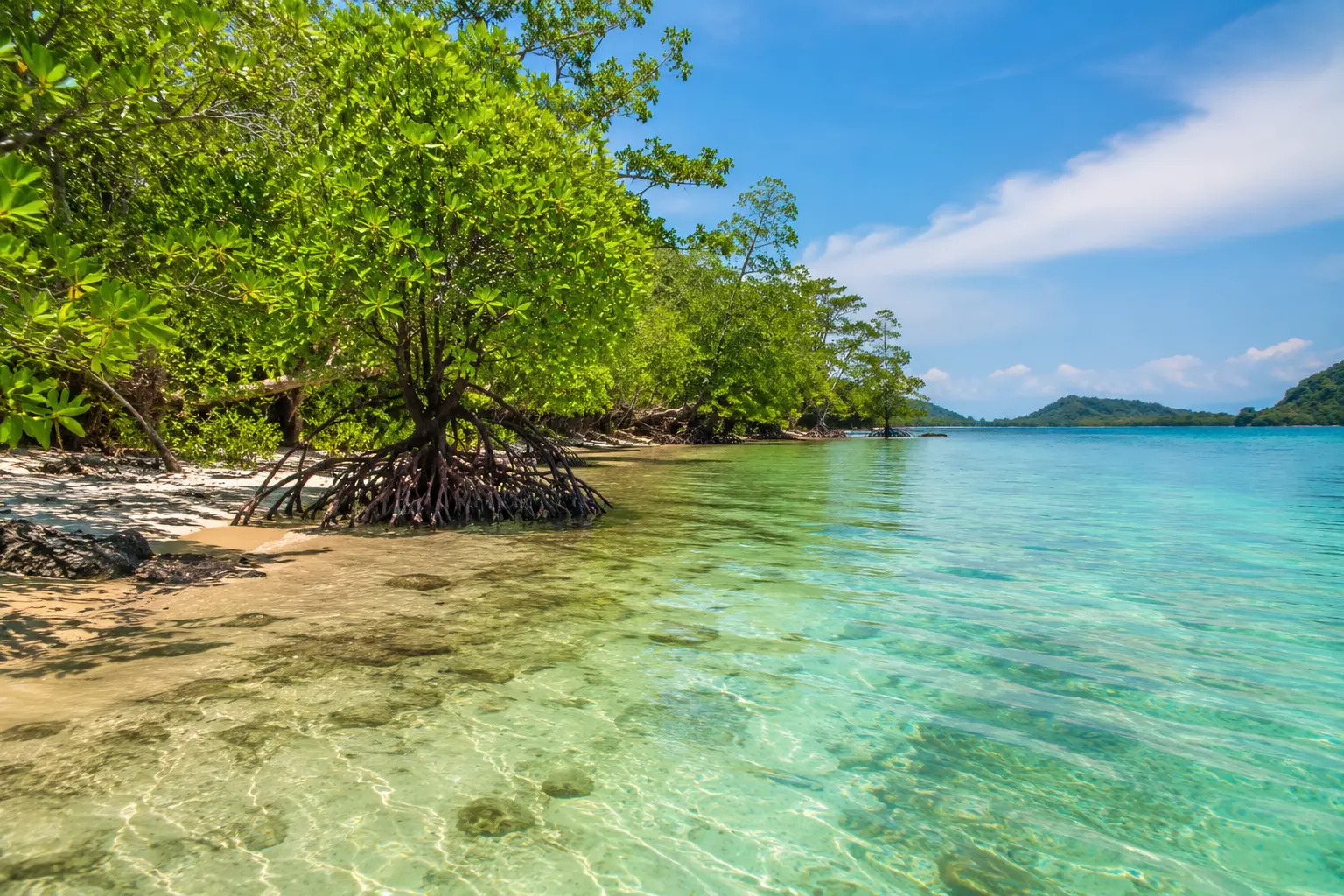
Building Sustainable Food Systems Through Nature-Based Solutions
As the world faces increasing challenges from climate change, population growth, and environmental degradation, ensuring food resilience has become a global priority. Food resilience refers to the ability of food systems to withstand and recover from disruptions while continuing to provide sufficient, nutritious, and accessible food for communities. Among the many natural ecosystems that support food security, mangrove forests play an often-overlooked but critical role.
What is Food Resilience?
Food resilience is the capacity of individuals, communities, and nations to maintain stable food production, distribution, and consumption despite environmental, economic, or social challenges. A resilient food system can adapt to changing conditions, recover from natural disasters, and continue providing sustainable livelihoods for local populations.
Key components of food resilience include:
-
Sustainable food production
-
Biodiversity conservation
-
Climate adaptation
-
Community empowerment
-
Ecosystem health
-
Economic stability
The Connection Between Mangroves and Food Security
Mangrove ecosystems are among the most productive natural environments on Earth. Located along tropical and subtropical coastlines, these unique forests provide essential ecosystem services that directly support food production and food security.
1. Nursery Grounds for Fisheries
Mangrove roots create sheltered habitats for fish, shrimp, crabs, and other marine species during their early life stages. Many commercially important fish species depend on mangrove ecosystems for breeding and growth.
Healthy mangrove forests contribute to larger fish populations, which in turn support local fisheries and provide a reliable source of protein for coastal communities.
2. Supporting Sustainable Livelihoods
Millions of people worldwide depend on mangrove-associated fisheries and aquaculture for income and food. By protecting mangroves, communities can maintain sustainable harvests of fish, shellfish, and other marine resources while reducing pressure on offshore ecosystems.
3. Protecting Agricultural Land
Mangroves act as natural barriers against storm surges, coastal erosion, and saltwater intrusion. These protective functions help safeguard nearby agricultural lands from damage, preserving crop productivity and reducing the risk of food shortages.
Without mangrove protection, coastal farmlands may become increasingly vulnerable to flooding and soil salinization, threatening local food production.
4. Enhancing Climate Resilience
Climate change poses significant risks to global food systems through rising sea levels, extreme weather events, and changing rainfall patterns. Mangrove forests help mitigate these impacts by storing large amounts of carbon and reducing coastal vulnerability.
Their ability to buffer communities against climate-related disasters strengthens the resilience of local food systems and supports long-term food security.
Biodiversity and Resilient Food Systems
Mangrove ecosystems support a rich diversity of plant and animal species. Biodiversity increases ecosystem stability and helps maintain ecological functions that underpin food production.
A diverse ecosystem is generally more resistant to disease outbreaks, invasive species, and environmental stress. By conserving mangroves, communities help preserve the ecological foundation upon which sustainable fisheries and coastal food systems depend.
Community-Based Conservation for Food Resilience
Effective mangrove conservation goes beyond tree planting. It requires collaboration among local communities, governments, researchers, and civil society organizations. Community-led conservation initiatives can generate multiple benefits:
-
Improved fish stocks and seafood production
-
Enhanced household incomes
-
Reduced disaster risks
-
Greater climate resilience
-
Long-term food security
When local communities become active stewards of mangrove ecosystems, conservation efforts are more likely to succeed and produce lasting social and environmental benefits.
Looking Ahead
Food resilience and mangrove conservation are deeply interconnected. Healthy mangrove ecosystems provide critical habitats for fisheries, protect agricultural lands, support livelihoods, and strengthen climate resilience. As pressures on food systems continue to grow, investing in mangrove conservation represents a powerful nature-based solution that benefits both people and the environment.
By safeguarding mangrove forests today, we help ensure that future generations have access to sustainable food resources, thriving coastal ecosystems, and resilient communities capable of adapting to an uncertain future.
Malaka Lestari Indonesia recognizes that protecting mangroves is not only an environmental responsibility but also an investment in food security, community well-being, and sustainable development for generations to come.
