 ENGLISH
 INDONESIA
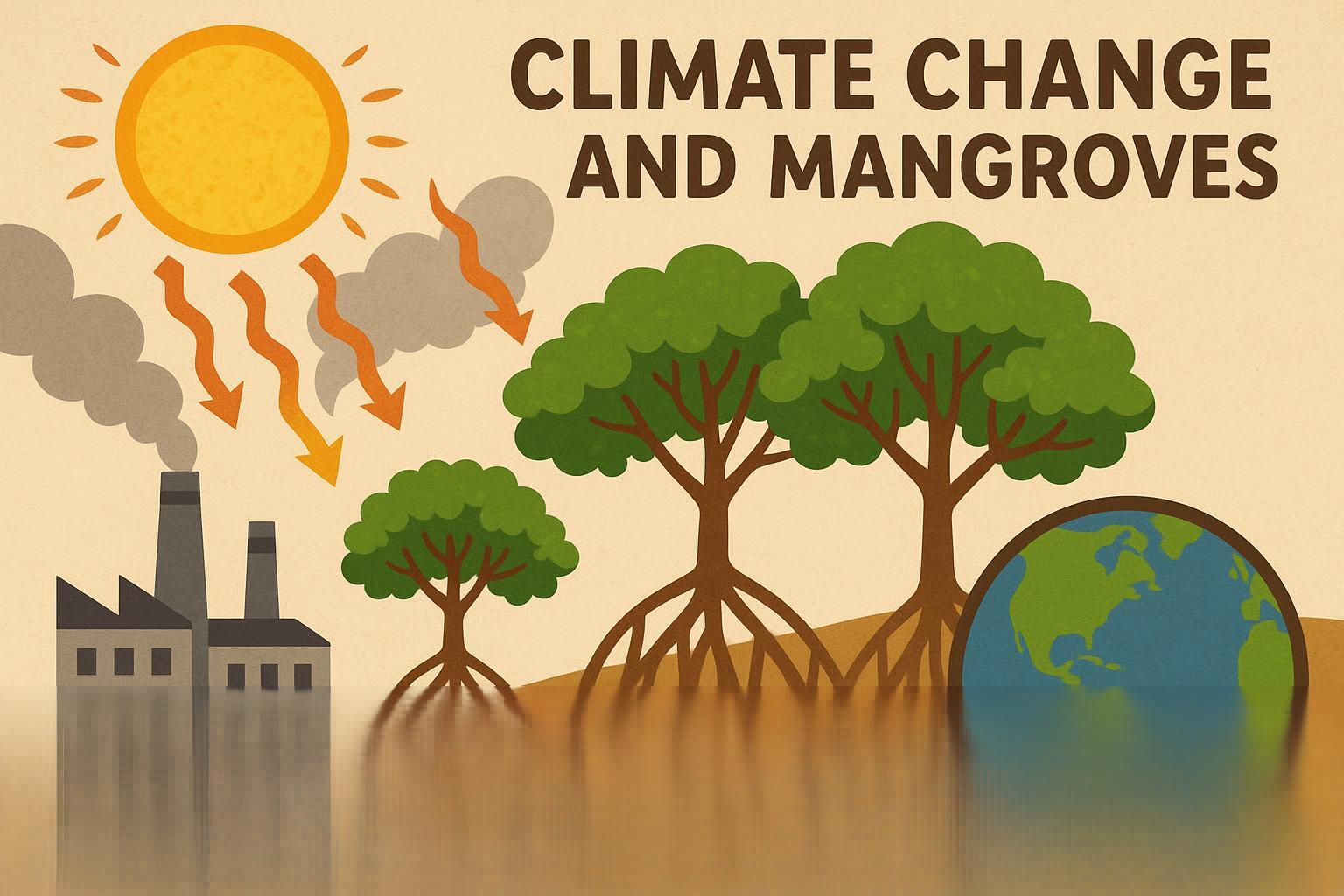
Nature’s Frontline Defense Against a Changing Climate
Climate change is one of the greatest challenges facing humanity today. Rising global temperatures, sea-level rise, extreme weather events, and changing rainfall patterns are affecting ecosystems, economies, and communities worldwide. Coastal regions are particularly vulnerable to these impacts, making the protection and restoration of natural coastal ecosystems more important than ever.
Among nature's most effective climate solutions are mangrove forests—unique coastal ecosystems that provide extraordinary environmental, social, and economic benefits while helping communities adapt to and mitigate climate change.
Understanding Climate Change
Climate change refers to long-term shifts in global temperatures and weather patterns, primarily caused by human activities such as burning fossil fuels, deforestation, and industrial processes. These activities release greenhouse gases, including carbon dioxide (CO₂), into the atmosphere, trapping heat and warming the planet.
The consequences of climate change include:
- Rising sea levels
- Stronger storms and coastal flooding
- Increased temperatures
- Changes in precipitation patterns
- Loss of biodiversity
- Threats to food and water security
For coastal communities, these impacts can be particularly severe, threatening livelihoods, infrastructure, and natural resources.
Why Mangroves Matter
Mangrove forests grow along tropical and subtropical coastlines, where land meets the sea. Although they cover less than one percent of the world's tropical forests, they are among the most valuable ecosystems on Earth.
1. Powerful Carbon Storage
Mangroves are often referred to as "Blue Carbon Ecosystems" because of their remarkable ability to capture and store carbon.
Unlike many terrestrial forests, mangroves store carbon not only in their trunks and leaves but also deep within their waterlogged soils. These soils can retain carbon for hundreds or even thousands of years.
A healthy mangrove forest can store up to four times more carbon per hectare than many tropical rainforests, making mangrove conservation a highly effective strategy for reducing greenhouse gas concentrations in the atmosphere.
2. Natural Protection Against Coastal Disasters
As climate change increases the frequency and intensity of storms, mangroves serve as a natural protective barrier.
Their dense root systems help:
- Reduce wave energy
- Minimize coastal erosion
- Protect shorelines from storm surges
- Reduce flooding risks
Communities located behind healthy mangrove forests often experience significantly less damage during extreme weather events compared to areas where mangroves have been removed.
3. Supporting Climate Adaptation
Climate adaptation involves helping communities adjust to the impacts of climate change. Mangrove ecosystems play a critical role in strengthening coastal resilience.
By stabilizing shorelines and reducing disaster risks, mangroves enable communities to better withstand climate-related challenges while protecting homes, infrastructure, and livelihoods.
4. Preserving Biodiversity
Mangrove forests provide habitat for thousands of species, including fish, crustaceans, birds, reptiles, and mammals.
Healthy biodiversity strengthens ecosystem stability and improves the ability of natural systems to adapt to environmental changes. Protecting mangroves therefore helps maintain ecological balance while supporting sustainable fisheries and local food security.
5. Sustaining Coastal Livelihoods
Millions of people worldwide depend on mangrove ecosystems for income, food, and natural resources.
Mangroves support:
- Fisheries and aquaculture
- Ecotourism
- Sustainable harvesting of natural products
- Coastal protection services
By safeguarding these ecosystems, communities can maintain sustainable livelihoods while reducing their vulnerability to climate-related economic shocks.
The Urgency of Mangrove Conservation
Despite their importance, mangrove forests continue to face significant threats from coastal development, pollution, unsustainable land conversion, and climate change itself.
The loss of mangroves results in:
- Increased carbon emissions
- Greater coastal vulnerability
- Declining fish populations
- Loss of biodiversity
- Reduced community resilience
Protecting existing mangrove forests is often more effective and less costly than attempting to restore ecosystems after they have been degraded.
A Nature-Based Solution for the Future
Mangrove conservation represents one of the most practical and cost-effective nature-based solutions to climate change. By combining carbon sequestration, disaster risk reduction, biodiversity conservation, and livelihood support, mangroves deliver multiple benefits that address both environmental and social challenges simultaneously.
Governments, conservation organizations, businesses, and local communities all have a role to play in protecting and restoring these critical ecosystems.
Conclusion
Climate change is reshaping our world, but nature offers powerful tools to help address its impacts. Mangrove forests stand at the frontline of climate action, capturing carbon, protecting coastlines, preserving biodiversity, and strengthening community resilience.
Investing in mangrove conservation is not only an environmental responsibility—it is a strategic investment in a safer, more sustainable future for people and the planet.
About Malaka Lestari Indonesia
Malaka Lestari Indonesia is committed to advancing mangrove conservation, coastal ecosystem restoration, and community-based climate resilience initiatives. Through science, collaboration, and sustainable development, we strive to protect Indonesia’s coastal heritage while contributing to global climate solutions for future generations.
